Highlights from Manitoba’s First Community Pink Tank
Posted on February 11, 2026
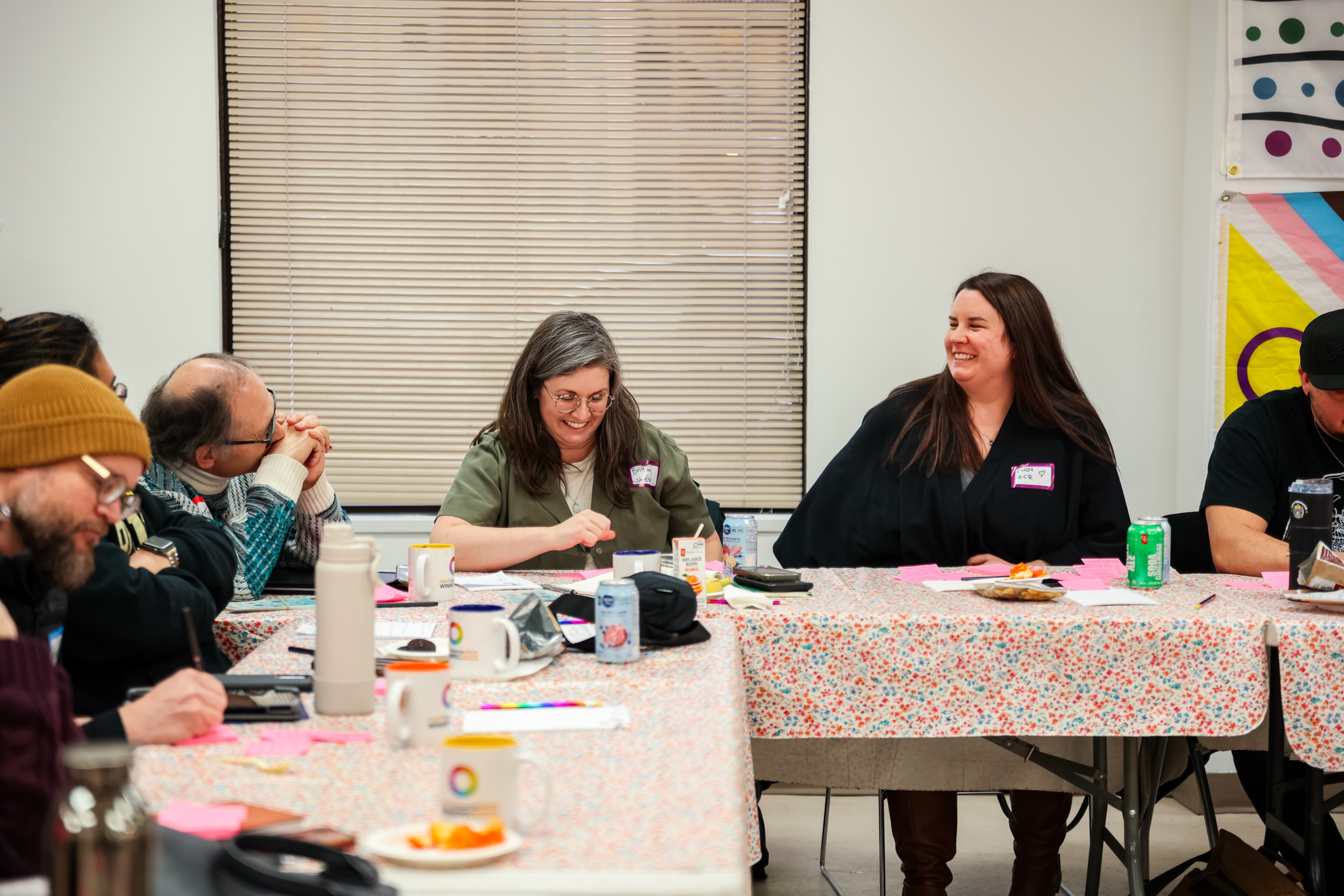
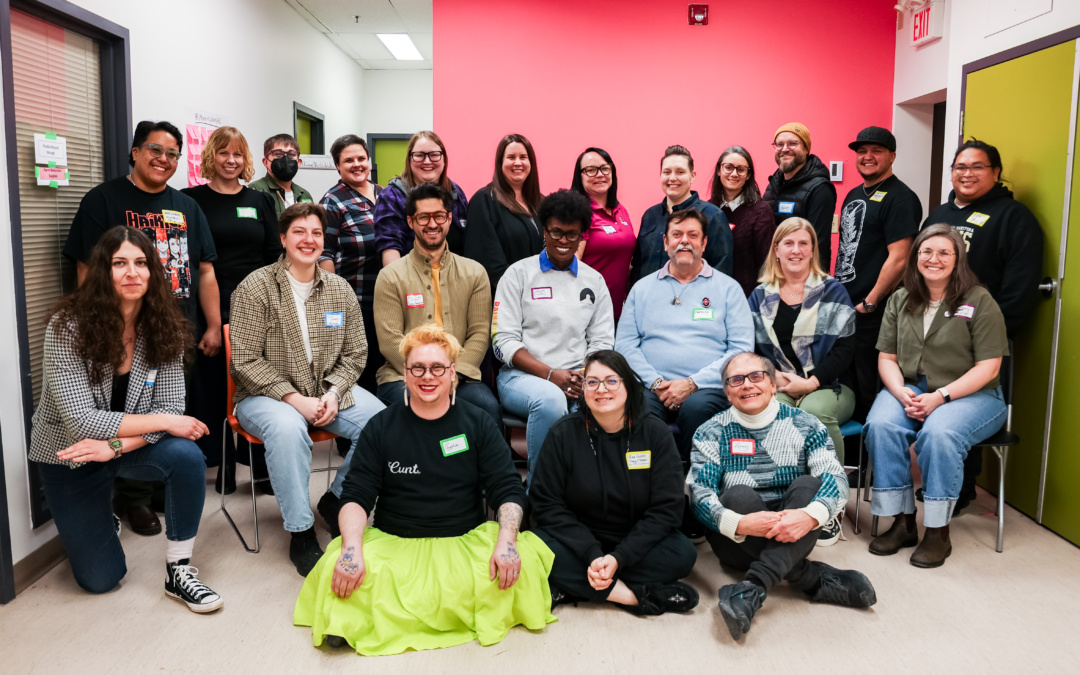
On January 10, 2026, more than 20 2SLGBTQIA+ organizations from across Manitoba gathered at the Rainbow Resource Centre for the province’s first-ever Community Pink Tank—a day designed to spark connection, strengthen relationships, and imagine what’s possible when we work together.
Co‑hosted by the Manitoba Queer Chamber of Commerce, Trans Manitoba, Rainbow Railroad, and Pride at Work Canada, the Pink Tank brought together leaders from grassroots groups, service providers, advocacy organizations, arts collectives, and Pride committees from across the province. The goal was simple but ambitious: create a space where organizations could speak honestly, learn from one another, and explore opportunities for collective action.
A Day Rooted in Connection and Queer Joy
The morning opened with rapid connection activities, inviting participants to share what they hoped to gain from the day. Themes emerged quickly and consistently:
- A desire for stronger relationships across the sector
- A commitment to collaboration over competition
- A longing for queer joy, reconnection, and shared purpose
- Interest in strategic partnerships that avoid mission drift
- A need for better communication and information‑sharing
Organizations also reflected on their most meaningful achievements from the past year—from receiving multi‑year funding, to forming new partnerships, to expanding rural Pride events, to learning the power of boundaries, communication, and community‑centred growth.
As one participant noted, the day was about “putting faces to names” and remembering that we are stronger when we show up for one another.
Sector Mapping: Opportunities, Gaps, and Shifts
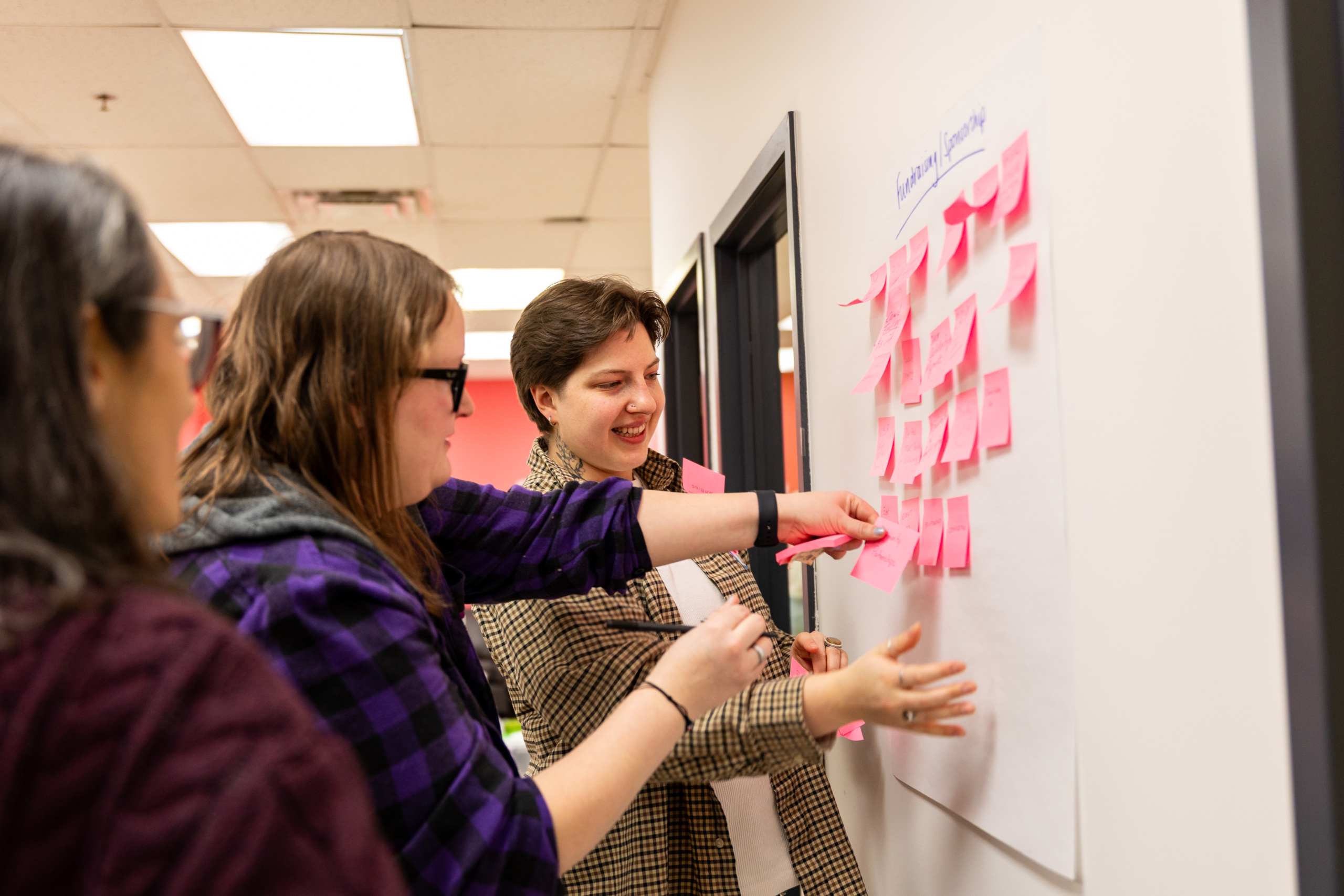
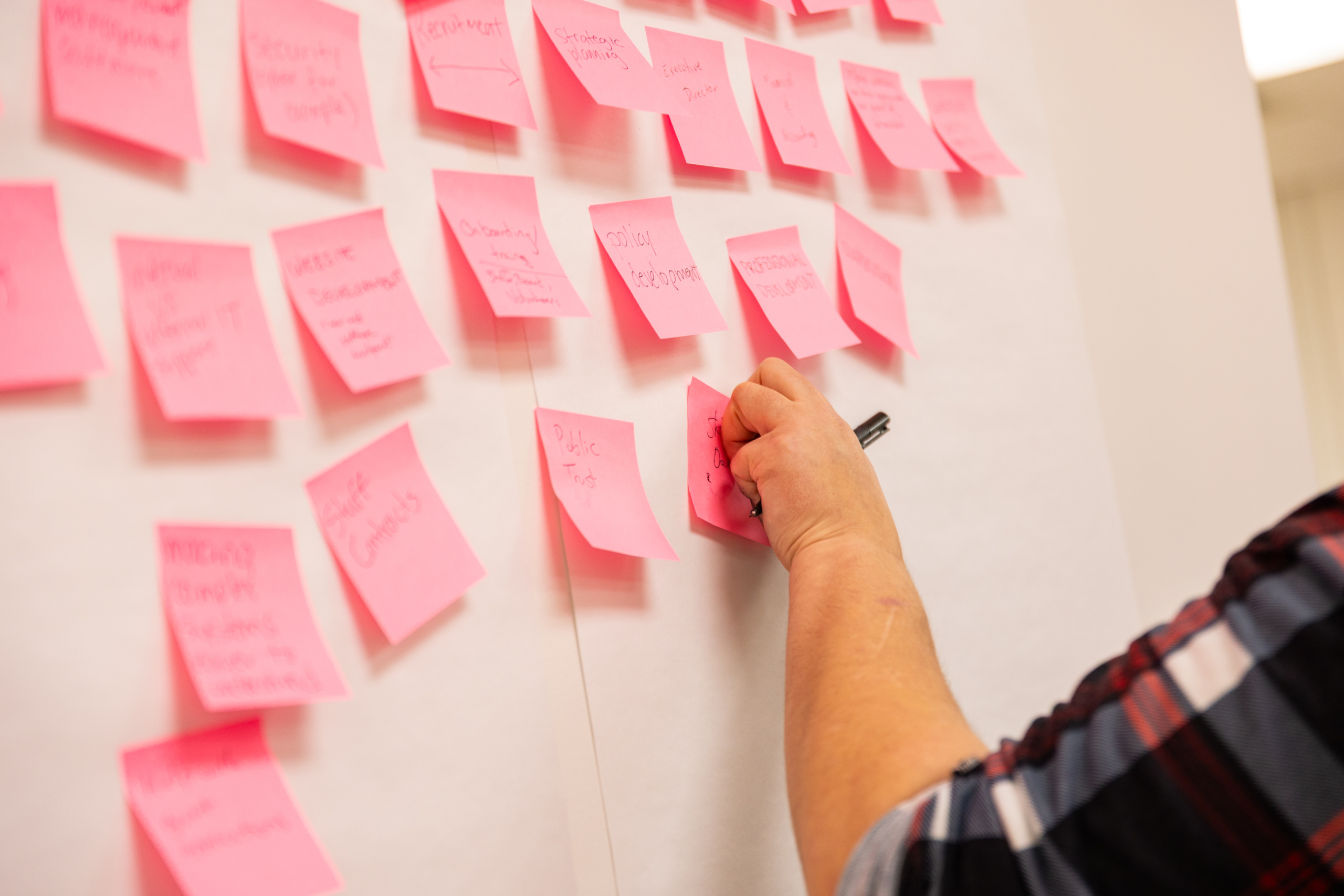
At the heart of the Pink Tank was the act of sector mapping. Participants started this exercise with a multi‑station activity, where participants explored four themes: Strengths & Innovations, Opportunities & Possibilities, Gaps & Challenges, and Forces & Shifts.
Strengths and Innovations
What’s currently working, creative adaptations, and community wins
Despite challenges, it was noted that the sector is rich with resilience, including:
- Community collaboration
- More rural Pride events are happening
- A shift toward centering QTBIPOC voices and accessibility
- Resurgence of activism
- New community organizations and spaces
One participant captured the spirit of the day perfectly, stating that there is a “superpower in being a part of the queer/2SLGBTQIA+ lived experience community.”
Top Opportunities Identified
What could we build or explore together that is not already happening?
Participants overwhelmingly expressed interest in:
- Regular meetups and community connections
- Creating third spaces for queer and trans people
- Shared internal resources and volunteer pools
- Rural/remote Pride training initiatives
- A queer Winnipeg/Manitoba travel guide or business list
The appetite for collaboration was unmistakable.
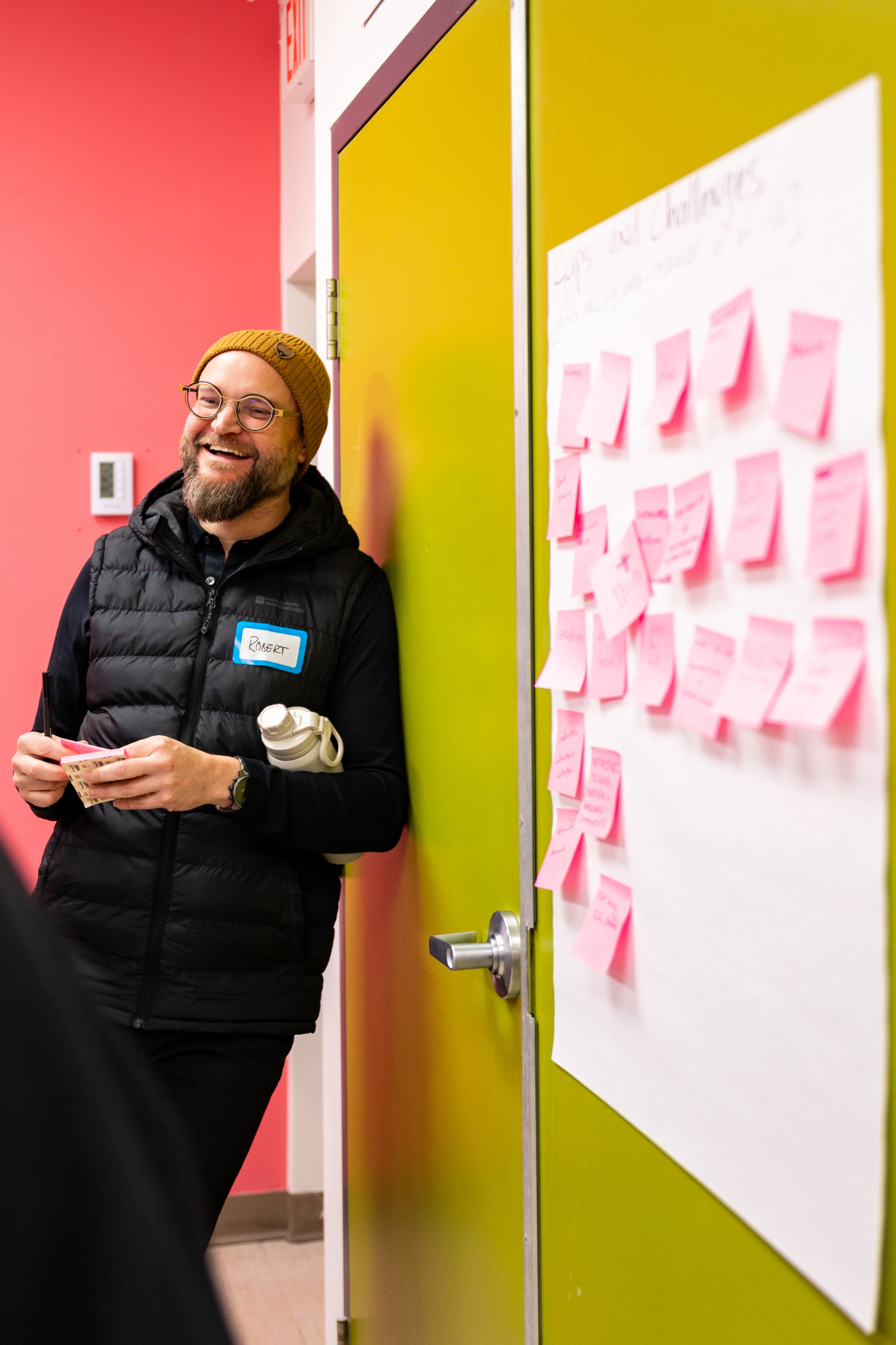
Key Gaps and Challenges
What’s missing, under-resourced, or at risk?
The most pressing concerns included:
- Rural and northern support, especially for Indigenous communities
- Burnout across organizations
- Sustainable funding
- Volunteer shortages
- Tokenization and community in‑fighting
Participants emphasized that “we are at risk—individually and collectively,” underscoring the need for shared care and sustainable workloads.
Forces and Shifts Affecting the Sector
What external or internal changes are happening, such as policy, funding and attitudes?
Organizations noted:
- Indigenous resurgence alongside concerns about “performative reconciliation”
- Competition for funding leading to mission drift
- U.S. political rhetoric influencing Canadian attitudes
- Post‑pandemic volunteerism shifts
- Transphobic policy and social attitudes
At the same time, participants recognized growing opportunities for partnership and more inclusive policy development.
Resource Mapping: What We’re Building Behind the Scenes
Participants also explored the operational backbone of their organizations—events, administration, communications, human resources, Diversity/Equity/Inclusion (DEI), fundraising, and governance.
The conversations revealed:
- A need for clearer mandates, so organizations don’t feel pressure to be everything to everyone
- Interest in shared directories, both for referrals and for vetting safe(r) service providers
- A desire for centralized communication tools
- Recognition that many groups are reinventing the wheel in isolation
- A call for grace, accountability, and transparent communication when harm occurs
The message was clear: collaboration isn’t just about programming—it’s about infrastructure, knowledge‑sharing, and collective capacity.
Asks & Offers: A Snapshot of Community Needs and Strengths
Before wrapping up the day, participants shared three things their organizations need and three things they can offer to others in the sector. The exchange revealed a vibrant ecosystem of skills, resources, and generosity.
Organizations offered a wide range of supports, including cultural knowledge, educational workshops, event safety, policy expertise, clinical insight, and operational tools. In return, they expressed needs such as collaboration and leadership support, financial and administrative training, volunteer capacity, program evaluation assistance, and partnerships to strengthen funding applications and expand reach—particularly in rural areas.
Taken together, the full list of Asks & Offers paints a picture of a sector ready to collaborate in meaningful, practical ways.
What Comes Next
Participants expressed strong interest in:
- An annual Pink Tank event
- Regular check‑ins
- Ongoing communication channels
- Shared tools and directories
- More intentional rural engagement
Overall, there was a shared feeling that the Pink Tank should not be a one‑off event—rather it should be the beginning of a renewed commitment to working together, supporting one another, and strengthening Manitoba’s 2SLGBTQIA+ ecosystem.
Final Reflections
The first Community Pink Tank affirmed what many of us already know: Manitoba’s queer and trans communities are powerful, creative, and deeply committed to collective care. When we gather—across identities, geographies, and mandates—we build something bigger than any one organization.
As one participant noted, the biggest strength in the room was simply “this room.”
The Manitoba Queer Chamber of Commerce is proud to have partnered with colleagues from Trans Manitoba, Rainbow Railroad, and Pride at Work Canada to host this inaugural gathering, and we look forward to continuing this work—together.
If you’d like to connect with us about future Pink Tank events or sector‑wide collaboration, please feel free to connect: info@mbqueerchamber.ca.
We would like to thank the following organizations for participating in the Manitoba Pink Tank:
2Spirit Manitoba Inc.
Bahaghari Pride Manitoba
Braiding Colours Consulting
City of Winnipeg D&I Committee
Collectif LGBTQ* du Manitoba
Disruptive Integration
Dykes on Bikes Winnipeg
Manitoba Pride Alliance
Manitoba Queer Chamber of Commerce
Out There Winnipeg
Pride Winnipeg
Rainbow Harmony Project
Rainbow Railroad
Rainbow Resource Centre
Reaching Out Winnipeg
Regenesis Centre for Recovery
Snowy Owl Monarchist Society
Social Entrepreneurship Enclave
Sunshine House
Trans Health Klinic
Trans Manitoba
Westman Empowerment Fund
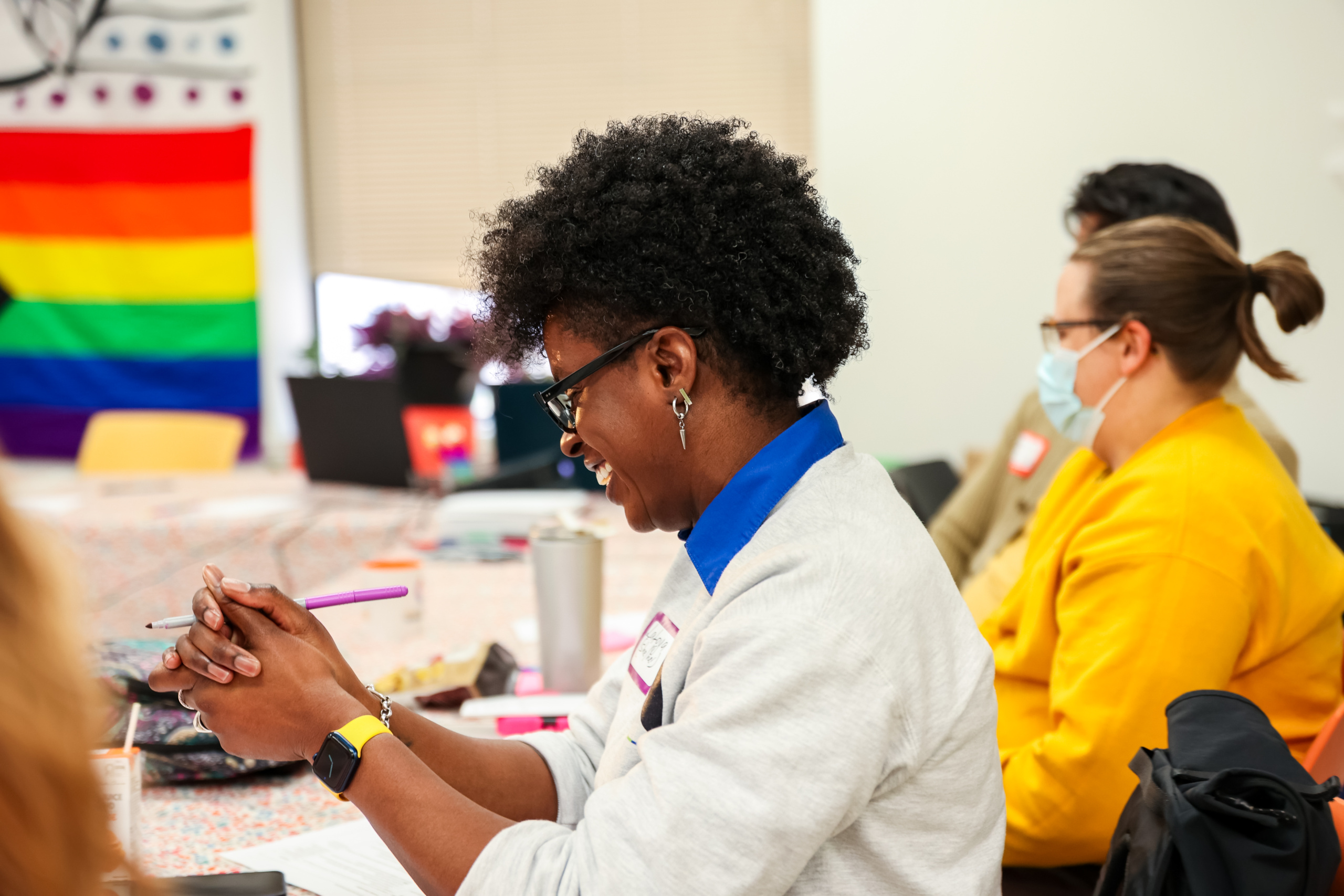
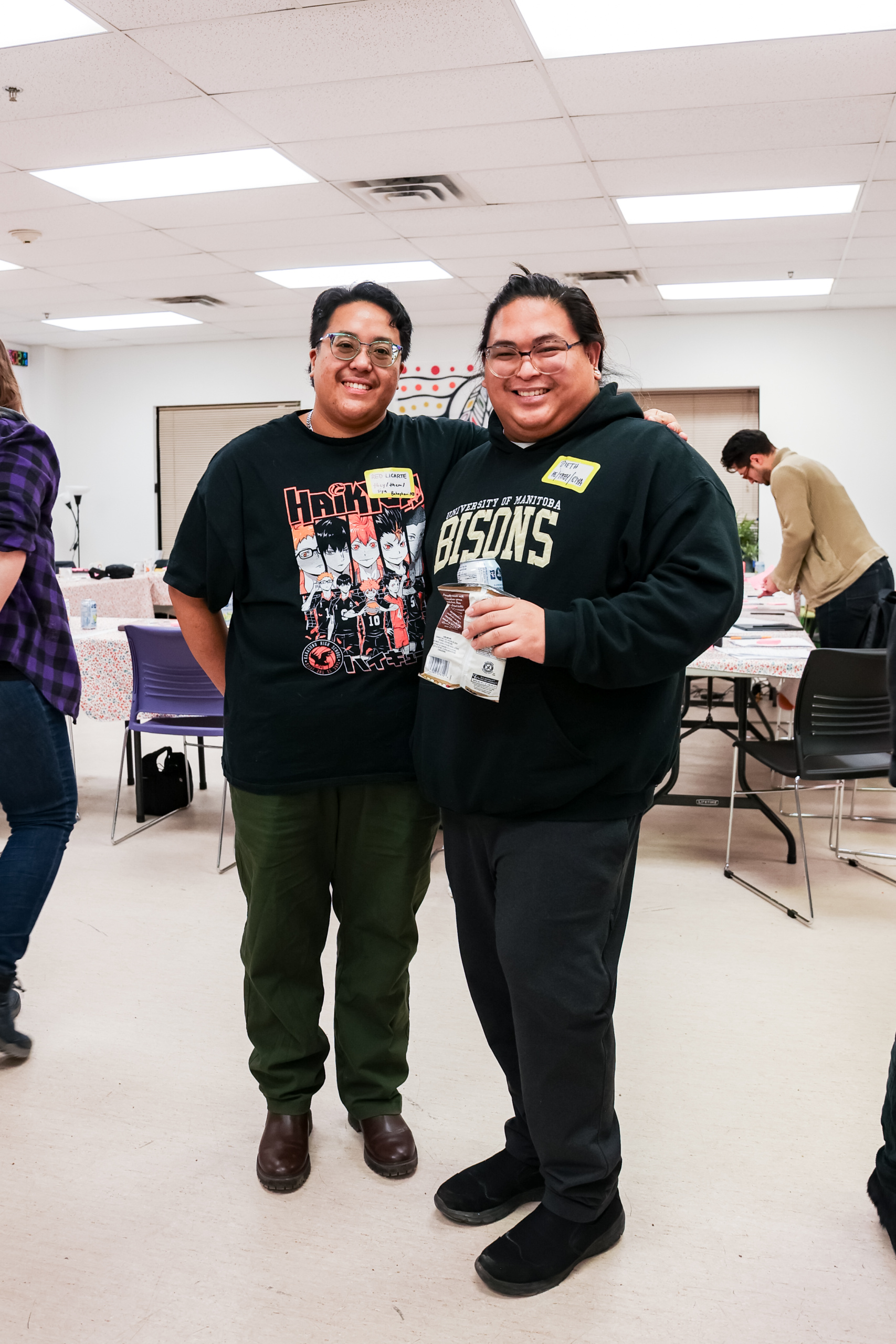
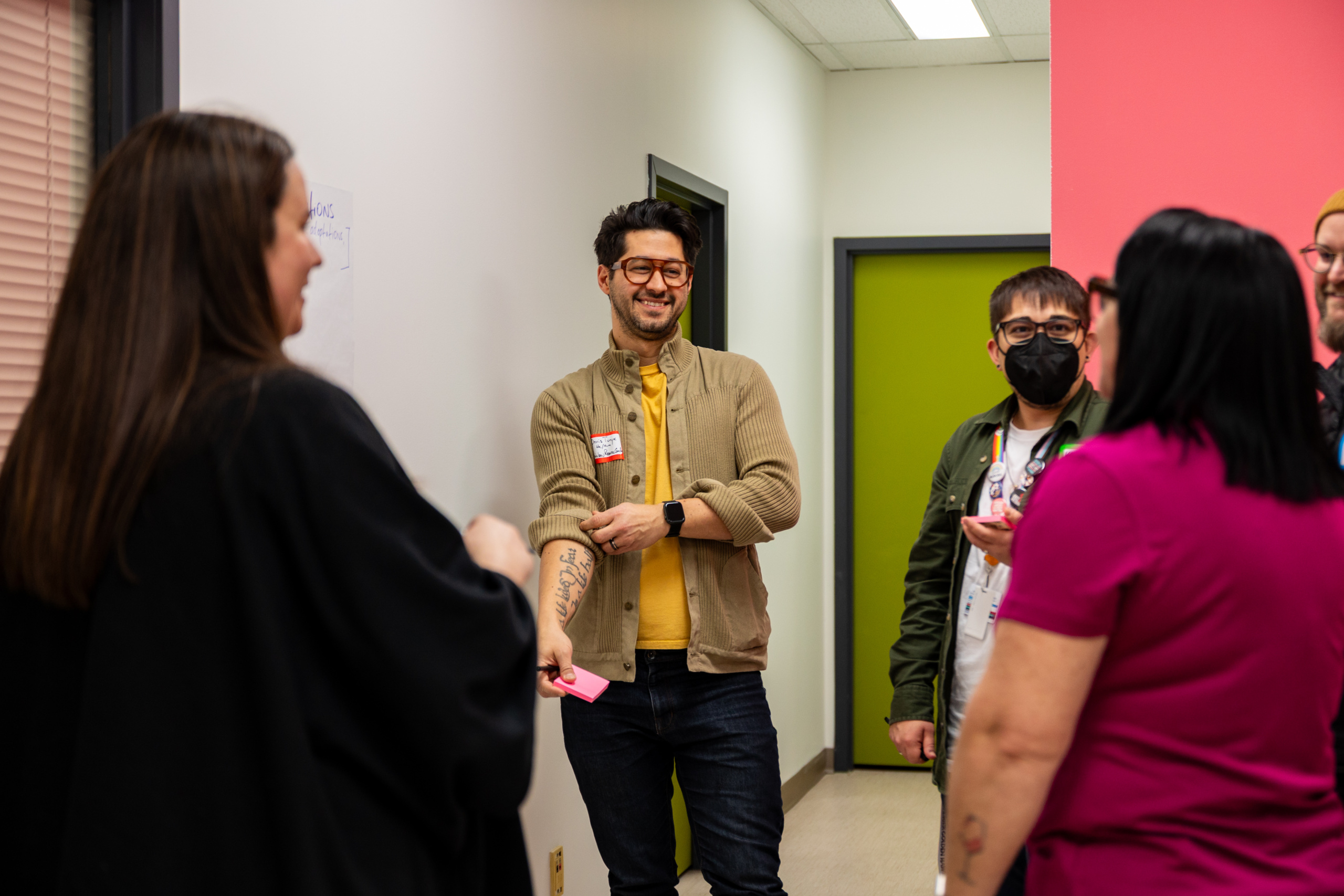
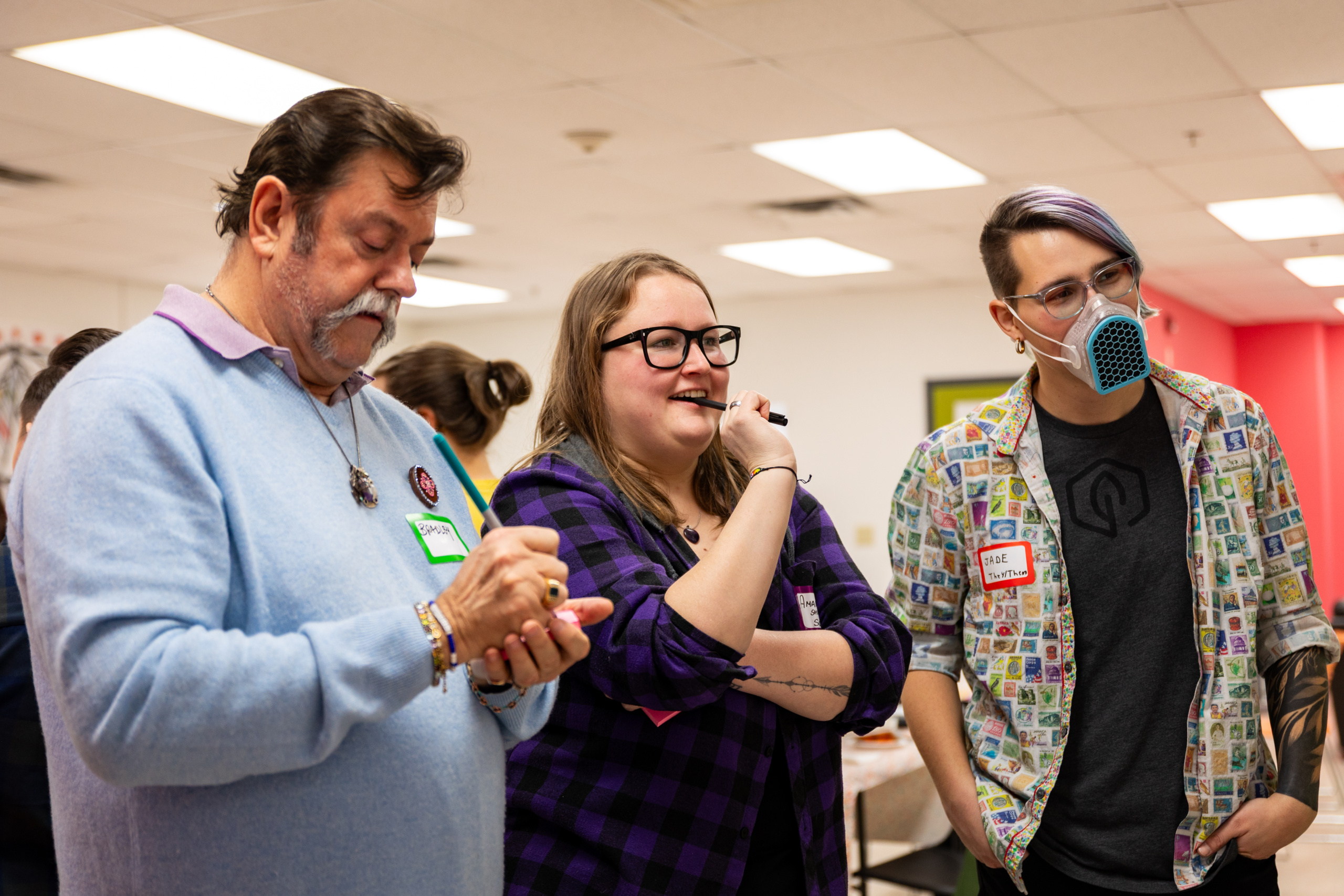
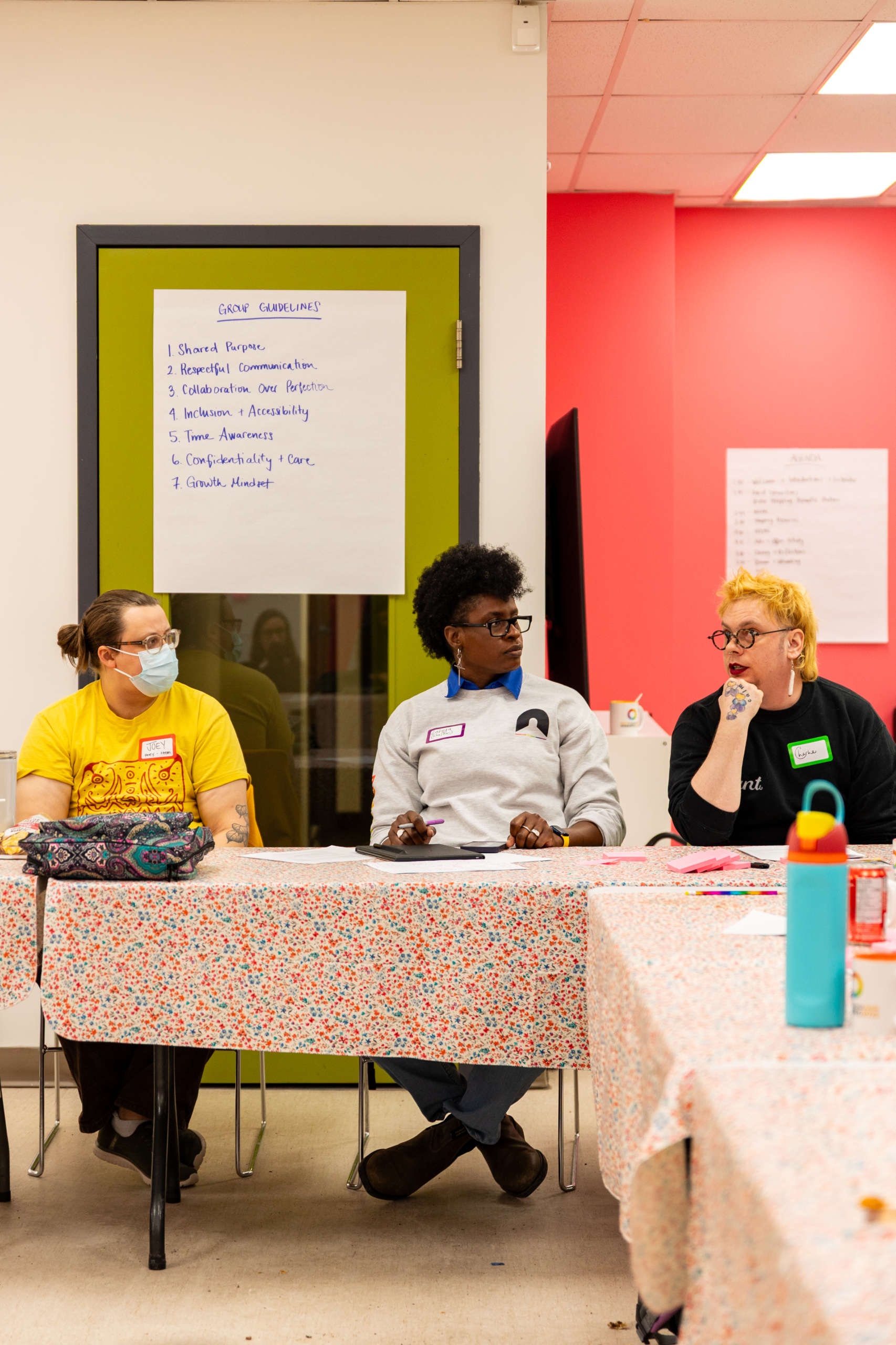
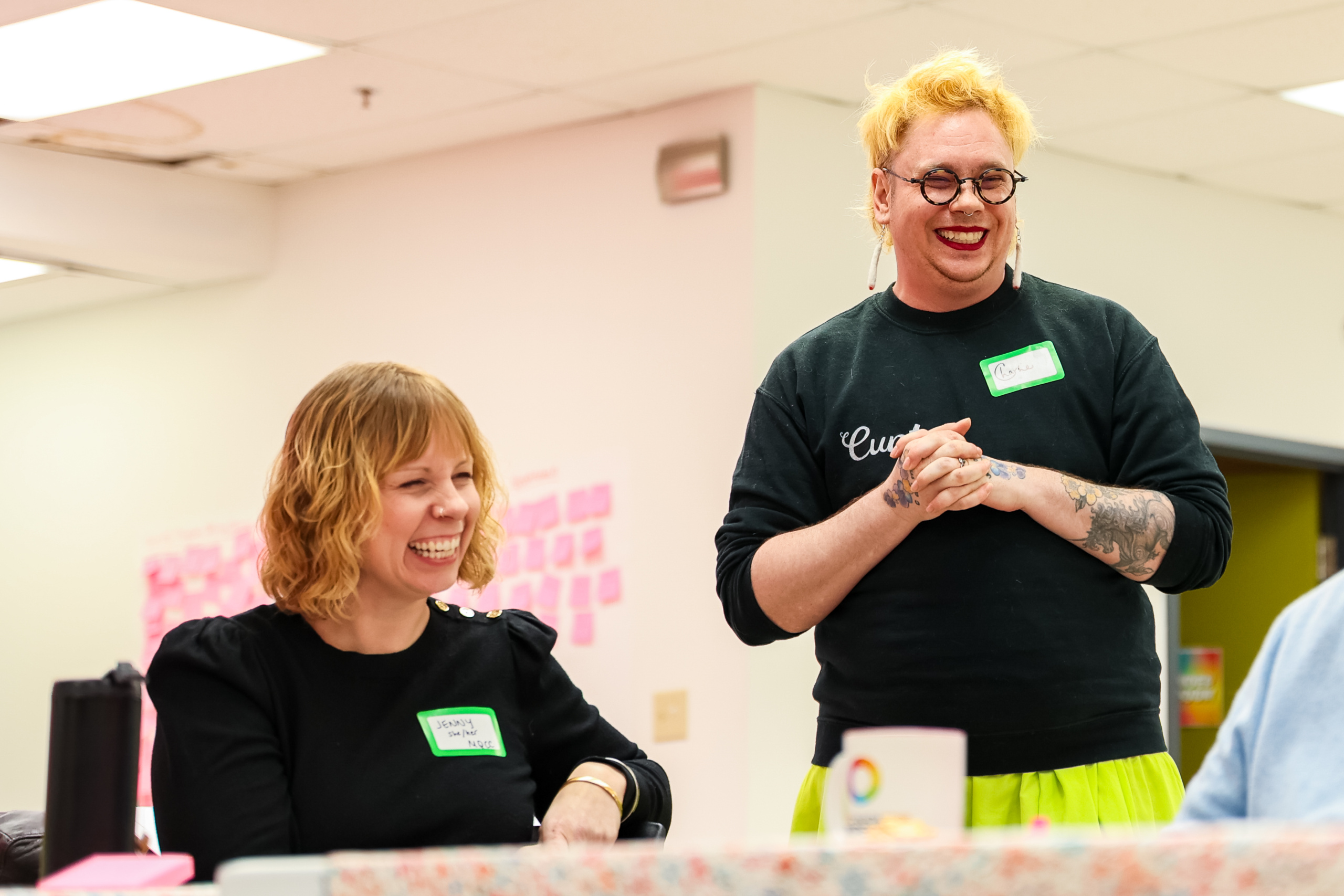
Check out some photos from the day! All photos by Daezerae Gil.